Transition to Secondary School

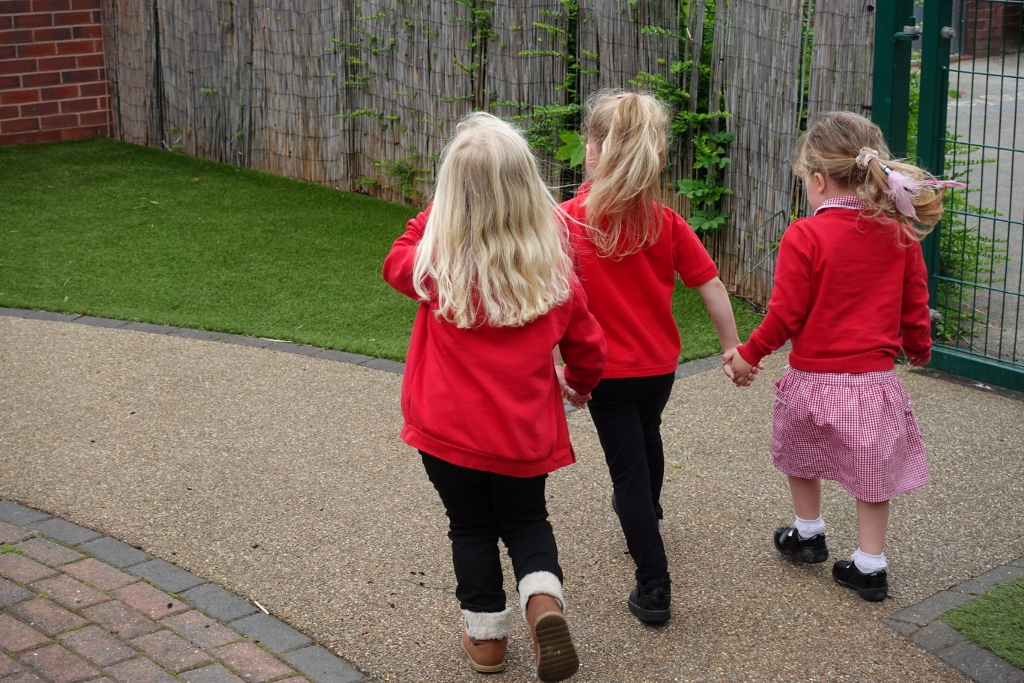
Birley_Spa_Photo_Exports-DSC00227 website

Preparing Children for Secondary School

Moving from primary to secondary school is a significant milestone.

Children transition from a familiar, close‑knit environment to a larger school with multiple teachers, classrooms, and new expectations. At Birley Spa Primary Academy, we place great importance on preparing pupils for this change so they move on with confidence, independence, and resilience.

Transition to The Birley Academy

Children starting at The Birley Academy in September can enjoy two full days of transition on Tuesday 30th June and Wednesday 1st July.  For more information about these days plus key information, FAQs and a detailed transition programme visit The Birley Academy website.
Visit The Birley Academy for more information
The_Birley_Final_Exports-1358939

Information Sharing with Secondary Schools

To ensure a smooth transition, our Year 6 teachers share detailed information with each child’s secondary school. This includes academic progress, test results, and wider strengths such as sporting, musical, or artistic achievements.

Transition Support for SEND Pupils

For pupils with Special Educational Needs and Disabilities (SEND):

  • our SEND team works closely with secondary school SENCOs
  • additional transition meetings and visits may be arranged
  • SEND documentation and support plans are shared where appropriate
  • Person Centred Review (PCR) meetings are held when needed

Children with an autism diagnosis, or who are undergoing assessment, receive additional support from specialist teams, including Learning Support and Sensory Services.

Building Independence in Upper Key Stage 2

In Years 5 and 6, pupils are gradually supported to become more independent learners. They learn how to:

  • Take responsibility for their learning environment (e.g. keeping resources organised, preparing materials independently)
  • Make informed choices about how to approach tasks (selecting appropriate strategies, tools, or methods)
  • Work independently for sustained periods without adult support
  • Edit and improve their own work using success criteria or feedback
  • Seek help appropriately (knowing when to ask for support and when to persevere)
  • Reflect on mistakes and learn from them to improve future outcomes
  • Collaborate effectively with peers while maintaining individual accountability
  • Present their ideas clearly and confidently in a range of formats
  • Use digital tools responsibly to support research and learning

These skills closely mirror the expectations of secondary school and help children feel ready for increased independence.

Birley_Spa_Photo_Exports-DSC00267 website

Leadership and Responsibility Opportunities

Children across the school take on a range of leadership roles, such as:

  • Attendance Ambassadors
  • Curriculum Champions
  • Pupil Parliament member
  • Eco Council
  • Safeguarding Stewards
  • House Captains
  • Become a Bronze, Silver or Gold learner

These responsibilities support the development of confidence, organisation, teamwork, and personal responsibility — all essential for a successful secondary school transition.

Supporting Emotional Wellbeing Through Transition (PSHE)

We recognise that the transition to secondary school can bring mixed emotions, including excitement, anxiety, and uncertainty.

Through Personal, Social and Health Education (PSHE), particularly in the summer term of Year 6, pupils have regular opportunities to:

  • Talk openly about worries and expectations
  • Explore strategies for making new friends
  • Learn who to ask for help in their new school
  • Reflect on past challenges and successes
  • Build resilience through mindfulness lessons.

Year 6 pupils also take part in transition workshops led by the Mental Health Support Team, providing additional emotional support during this important period.

Working in Partnership with Parents

We understand that transition is a major step for parents too.

We actively encourage families to contact us for advice or reassurance at any stage of the process.

How Parents Can Help Prepare Their Child

Parents play a vital role in helping children feel confident and prepared. Useful ways to support your child include:

  • Encouraging responsibility for school bags, PE kits, and homework routines
  • Establishing a regular home‑learning time
  • Practising the journey to secondary school, including buses and alternative routes
  • Helping children develop time‑keeping and organisational skills

These small steps can make a big difference to a child’s confidence and readiness.

Practical Tips for Parents

To help your child settle successfully into secondary school:

  • Attend parent induction events
  • Read the school prospectus and key policies
  • Support correct uniform and equipment arrangements
  • Help your child practise safe online behaviour
  • Encourage use of planners and lockers
  • Ensure health and medication information is shared with the new school

Emotional Support at Home

  • Stay positive – children often take emotional cues from parents
  • Communicate openly – encourage conversations about school without pressure
  • Listen and reassure – changes in mood are normal at this stage
  • Encourage independence while offering consistent support

Maintaining a calm, supportive home environment helps children feel secure as they take this important next step.